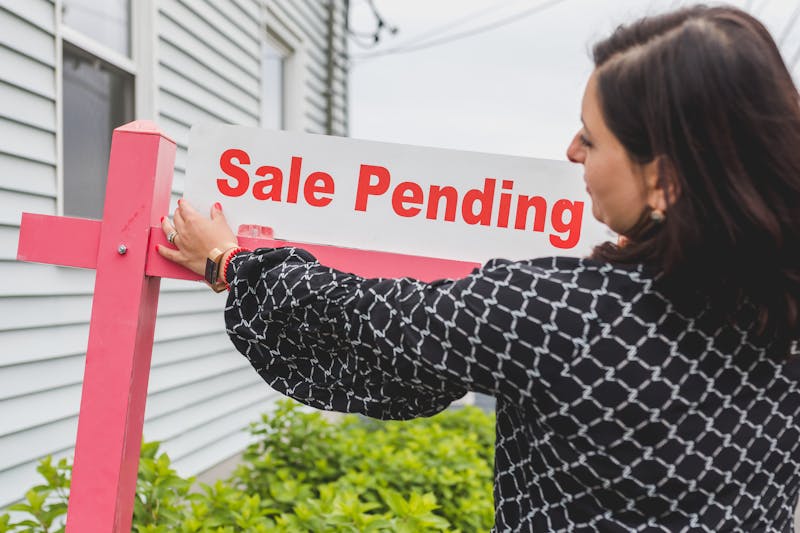
Paying off your mortgage ahead of schedule can save thousands in interest and bring peace of mind, but it also ties up cash that could be invested elsewhere. Deciding whether to accelerate your mortgage payments requires careful analysis of financial and emotional factors. Using data from Zillow, the Federal Reserve, and investment insights, this guide explores the benefits, costs, and strategies to determine if early mortgage payoff is right for you.
Benefits of Paying Off Your Mortgage Early
Clearing your mortgage faster offers significant financial and emotional advantages:
- Interest Savings: On a $400,000, 30-year mortgage at 6%, paying an extra $500/month saves $100,000 in interest and shaves 10 years off the loan (Zillow).
- Debt Freedom: Owning your home outright boosts financial security, reducing stress for 35% of homeowners (APA).
- Cash Flow Flexibility: Eliminating a $2,000/month payment frees funds for investments or lifestyle goals (BLS).
“Paying off my $300,000 mortgage early saved me $80,000,” says Sarah, a 45-year-old accountant in Orlando. “It feels like a weight lifted.”
Costs of Early Mortgage Payoff
While appealing, accelerating mortgage payments has trade-offs that can impact wealth-building:
- Opportunity Cost: Extra payments ($6,000/year) invested at 7% could grow to $90,000 in 10 years, outpacing interest savings (Morningstar).
- Liquidity Loss: Tying up cash in a home reduces emergency funds, stressing 20% of homeowners (APA).
- Tax Deduction Loss: Mortgage interest deductions save $3,000-$5,000/year for a $400,000 loan (IRS).

Factors to Consider Before Paying Off Early
Your decision hinges on financial priorities and personal circumstances:
- Interest Rate: High rates (6-7%) favor early payoff; low rates (3-4%) make investing more attractive (Morningstar).
- Financial Goals: Prioritize debt freedom for peace or investments for wealth ($430,000 median home, Zillow).
- Emergency Savings: Maintain 3-6 months’ expenses ($15,000-$30,000, BLS) before extra payments.
Strategies for Smart Mortgage Payoff
If you choose to pay off early, these steps optimize the process:
- Make Extra Payments: Add $200-$500/month to principal, saving $20,000-$50,000 in interest (Zillow).
- Refinance First: Lower your rate to 4% on a $400,000 loan, saving $50,000 over 15 years (IRS).
- Balance Investments: Split extra cash (50/50) between mortgage and stocks (7% returns, Morningstar).
- Check Prepayment Penalties: Avoid loans with 1-2% fees on early payoff (Federal Reserve).
| Option | 10-Year Outcome | Total Savings | Stress Impact |
|---|---|---|---|
| Pay Off Early | Loan paid in 20 years | $100,000 (interest) | 35% less stress (APA) |
| Invest Extra | $60,000 portfolio growth | $90,000 (7% returns) | 20% more stress (APA) |
Morningstar data shows early payoff saves interest, while investing grows wealth, depending on priorities.

Conclusion: Choose Your Path to Financial Freedom
Paying off your mortgage early can save $100,000 in interest and reduce stress by 35%, but investing extra cash could yield $90,000 in a decade. Consider your interest rate, goals, and savings to decide. APA research shows informed financial choices boost confidence by 25%. Will you pay off your mortgage early or invest? Share your plan in the comments!