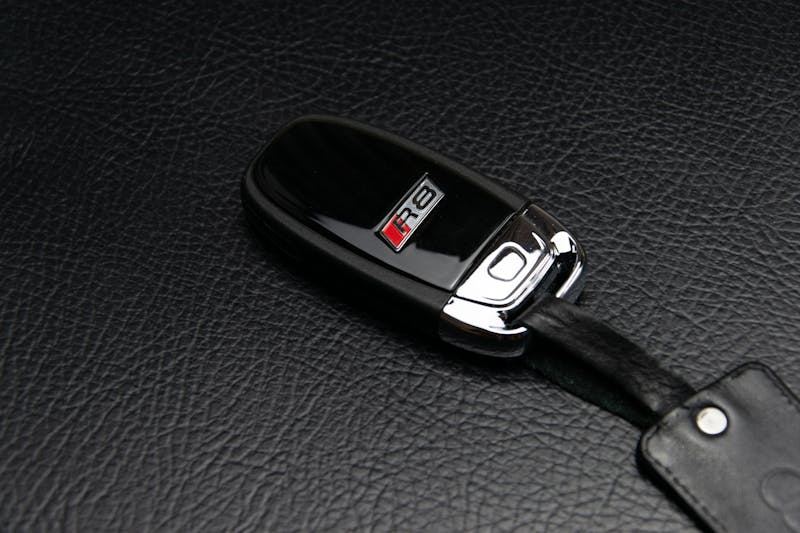
A shiny new car can feel like a badge of success, but for many, it’s a costly pursuit of status that drains finances and fuels insecurity. Buying a luxury vehicle to impress others often leads to financial strain and missed opportunities. With data from the Bureau of Labor Statistics, Kelley Blue Book, and psychological studies, this guide explores why cars are seen as status symbols, the consequences, and smarter ways to manage your money.
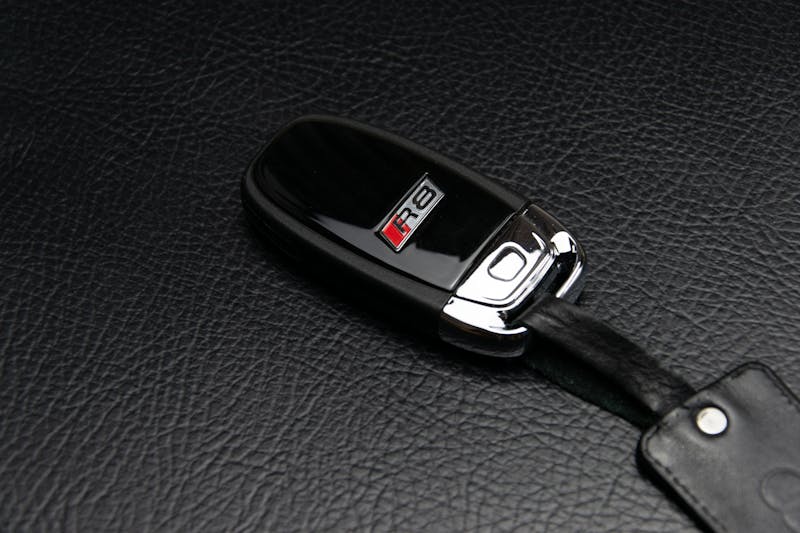
Why Cars Are Seen as Status Symbols
In America, cars often signal wealth and success, especially in urban areas where social comparison thrives. Luxury brands like BMW, Mercedes, or Tesla, priced $50,000-$100,000, are visible markers of status, unlike investments hidden in bank accounts. Social media amplifies this, with 30% of Millennials citing peer pressure to buy flashy cars (Federal Reserve).
“I bought a $65,000 Audi to feel successful,” says Ryan, a 29-year-old marketer in Los Angeles. “But the $800 monthly payments stressed me out more than my job.”
Ryan’s story is common: 25% of young adults spend beyond their means on cars to boost status, leading to financial strain (APA).

The Costs of Chasing a Car as a Status Symbol
- Financial Drain: Luxury cars ($50,000-$100,000) lose 20-30% value in the first year, or $10,000-$30,000 (Kelley Blue Book). Operating costs (gas, insurance, repairs) add $5,000-$10,000/year, cutting savings (BLS).
- Emotional Stress: 28% of buyers report anxiety from car payments, harming mental health (APA).
- Opportunity Loss: Spending $50,000 on a car instead of investing at 7% returns costs $80,000 over 10 years (Morningstar).
- Social Pressure: 35% of urban dwellers feel judged by their car, fueling overspending (Federal Reserve).
Alternatives to Buying a Status Symbol Car
Instead of chasing status, prioritize financial security and peace of mind. Here are practical alternatives:
- Buy Within Your Means: Spend no more than 15-20% of annual income on a car (e.g., $12,000 for $60,000 income) to avoid debt stress (BLS).
- Choose Used Cars: Save 30-50% on a 2-3-year-old car with similar features, cutting costs by $15,000-$30,000 (Kelley Blue Book).
- Invest the Difference: Put $50,000 into stocks or real estate ($430,000 median home, Zillow) for 7% returns, growing to $80,000 in 10 years (Morningstar).
- Focus on Utility: View cars as transportation, not status, reducing emotional pressure by 25% (APA).
- Resist Social Media Hype: Limit exposure to status-driven posts to curb overspending urges, affecting 30% of buyers (Federal Reserve).
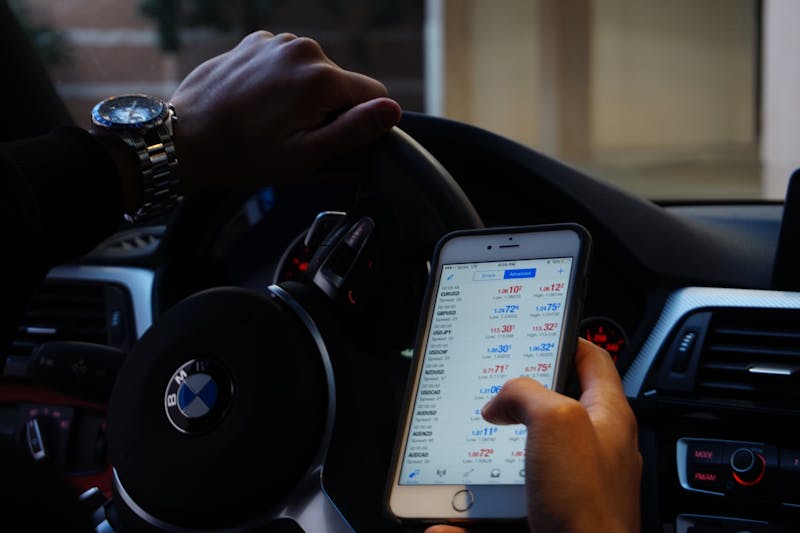
Status Symbol vs. Practical Car: A Comparison
| Car Type | Purchase Cost | 5-Year Total Cost | Emotional Impact |
|---|---|---|---|
| Luxury Car | $60,000 | $85,000 (incl. depreciation, maintenance) | 28% higher stress (APA) |
| Practical Car | $20,000 | $30,000 (incl. depreciation, maintenance) | 25% less stress (APA) |
Kelley Blue Book data shows luxury cars cost $50,000-$60,000 more over 5 years, while practical cars free up funds for investments or debt reduction.
Conclusion: Redefine Success Beyond Your Car
Chasing a car as a status symbol can lead to financial strain and emotional stress, costing you $50,000-$80,000 over time. By buying within your means, choosing used cars, investing savings, prioritizing utility, and ignoring social media hype, you can achieve true financial security. APA research shows practical spending boosts well-being by 25%. What’s your approach to car buying? Share your thoughts in the comments!