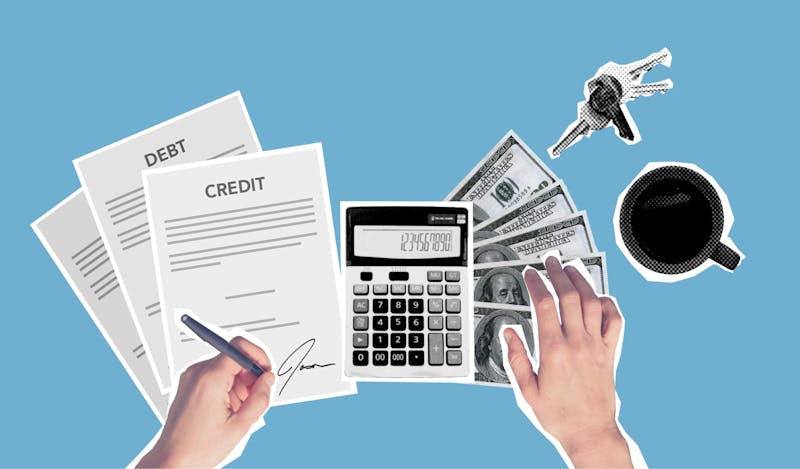
Owning a dream home is a cornerstone of the American dream, but an oversized, costly house can become a financial anchor, jeopardizing your path to financial independence (FIRE). From crushing mortgage payments to hidden maintenance costs, an expensive home can drain wealth and spark stress, derailing long-term goals. Drawing on insights from Zillow, the Federal Reserve, and behavioral studies, this guide explores why a big house can jeopardize your future, and offers strategies to stay on track for a secure, fulfilling life.
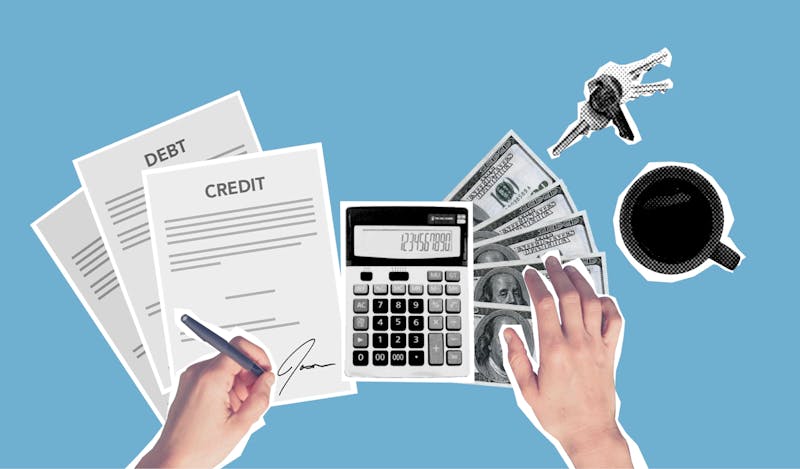
Navigating the financial burden of an oversized home. (Source: Pexels)
The Hidden Costs of an Expensive Home
In America’s high-cost housing market, the allure of a big home often overshadows its risks. The Zillow reports median home prices reached $430,000 in 2025, with urban hubs like Seattle requiring incomes of $220,000+ to afford a $1.2M home. For FIRE enthusiasts aiming to save 20-50% of income, an expensive house can consume resources, leaving little for investments or emergencies.
Meet Jake, a 35-year-old marketing manager in Austin. Eager to impress peers, he bought a $1M home with a $800,000 mortgage, tying 40% of his $150,000 income to payments. After taxes ($12,000/year), maintenance ($10,000), and insurance ($3,000), he’s left with just 15% for savings, stalling his FIRE goal. Jake’s story reflects a trend: 25% of homeowners spend over 30% of income on housing, per the Federal Reserve, risking financial strain.
Why Expensive Homes Hurt: Financial and Emotional Toll
A costly home creates a cascade of challenges:
- Financial Drain: Mortgages above 30% of income cut savings, with 10-15% of home value spent annually on taxes, upkeep, and insurance (Zillow).
- Market Risk: Housing crashes (e.g., 2008) can wipe out equity, with 20% price drops in overvalued markets (Federal Reserve).
- Emotional Stress: The American Psychological Association finds 30% of high-mortgage homeowners report anxiety, fearing foreclosure or job loss.
- Social Pressure: Keeping up with neighbors fuels overspending, with 20% of buyers upsizing to match peers (APA).

Visualizing the escalating costs of owning an expensive home. (Source: Pexels)
Risks of an Oversized Home: A Deeper Look
Beyond finances, an expensive home impacts life in profound ways:
- Time and Energy Drain: Maintenance (e.g., $10,000/year for a $1M home) steals time from family or hobbies, with 15% of homeowners reporting reduced leisure (APA).
- Relationship Strain: Financial stress contributes to 20% of divorces among high-debt homeowners (APA).
- Lost Opportunities: Capital tied to a home misses 7-10% equity returns (Morningstar) or 4-6% rental yields (Zillow).
- Retirement Risk: Reduced savings delay FIRE by 5-10 years, as 25% of income goes to housing instead of investments (Federal Reserve).
Strategies to Avoid the Expensive Home Trap
To balance homeownership with financial freedom, adopt these timeless strategies:
1. Follow the 25/25/2 Rule
Buy a home costing no more than 2x annual income, with a 25% down payment, and mortgage payments below 25% of income. For Jake ($150,000 income), a $300,000 home with a $75,000 down payment and $1,500/month mortgage preserves savings for FIRE.
2. Prioritize Investment Over Lifestyle
Redirect funds from a big home to assets like S&P 500 ETFs (7-10% returns, Morningstar) or REITs (4-6% yields, Zillow). A $200,000 investment at 8% grows to $400,000 in 10 years, outpacing home maintenance costs.
3. Rent for Flexibility
Renting in high-cost areas like Austin or Seattle maintains liquidity, allowing 30-40% income for investments. The BLS shows renters save 10% more than homeowners in urban markets.
4. Assess Total Ownership Costs
Budget 10-15% of home value annually for taxes, maintenance, and insurance. A $1M home costs $100,000-$150,000/year, per Zillow, draining FIRE funds.
5. Reframe Social Expectations
Resist “keeping up” by valuing experiences over status. APA studies show 25% higher life satisfaction when prioritizing travel or family over material displays.

A modest home aligning with FIRE goals. (Source: Pexels)
Balancing Homeownership and FIRE: Costs vs. Benefits
The table below summarizes the trade-offs and solutions:
| Aspect | Risk | Data Insight | Solution |
|---|---|---|---|
| Financial Strain | Mortgage eats 30%+ income | 25% homeowners overextended (Federal Reserve) | 25/25/2 rule |
| Opportunity Cost | Missed 7-10% equity returns | S&P 500 growth (Morningstar) | Prioritize investments |
| Emotional Stress | Anxiety from debt | 30% report stress (APA) | Rent or buy modest |
| Social Pressure | Overspending to compete | 20% upsize for status (APA) | Value experiences |

Embracing financial freedom through mindful homeownership. (Source: Pexels)
Conclusion: Choose Freedom Over Flash
An expensive house can sabotage your path to financial independence, locking wealth in debt and maintenance while fueling stress. By following the 25/25/2 rule, prioritizing investments, considering renting, budgeting total costs, and reframing social pressures, you can secure a home that supports—not hinders—FIRE. As the Federal Reserve notes, 25% of homeowners face housing strain—don’t be one of them. How do you balance homeownership with financial goals? Share your thoughts in the comments and let’s build a freer future!